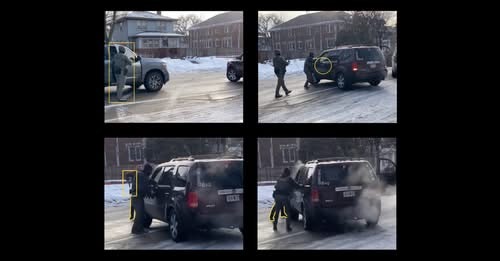

The fatal shooting of 37‑year‑old Renee Nicole Good by a federal immigration officer in Minneapolis on Wednesday has thrust a long‑running and deeply contested question back into the national spotlight: When is a law‑enforcement officer justified in using lethal force against someone in a moving vehicle? This debate has intensified as video footage and conflicting official statements emerge, highlighting deep divisions in interpretations of use‑of‑force standards.
Core of the Debate:
At issue is the longstanding policy, adopted by many police and federal agencies, that generally restricts officers from firing at individuals in moving vehicles unless there is an imminent threat of serious bodily harm or death that cannot be avoided by other means. These policies were developed to minimize risk to bystanders and prevent loss of vehicle control if a driver is struck. The Minneapolis incident has renewed scrutiny of how and when those guidelines should apply, particularly in federal immigration enforcement operations.

Conflicting Accounts and Questions of Justification:
Federal officials have defended the ICE agent’s actions, describing the shooting as self‑defense and asserting that the vehicle posed a threat to officers’ safety. Homeland Security leaders, including Secretary Kristi Noem, have framed the incident within existing deadly‑force law and policy frameworks that allow officers to respond to serious threats.
Local leaders and critics, including Minneapolis political officials and civil‑rights advocates, have challenged federal narratives, saying the video evidence does not clearly show an imminent threat and arguing that alternatives to lethal force should have been pursued. These disagreements have underscored broader concerns about federal accountability and transparency in use‑of‑force situations.
Broader Legal and Policy Implications:
The case has also triggered a jurisdictional clash between federal authorities and Minnesota state officials, with federal prosecutors asserting exclusive control over the investigation — a stance that raises questions under legal doctrines such as the Supremacy Clause and the limits of state authority to investigate or prosecute federal officers.
Public Reaction and Ongoing Scrutiny:
The shooting has sparked protests and vigils in Minneapolis and other cities, highlighting concerns about federal law enforcement practices and the application of use‑of‑force guidelines. Experts and community leaders alike have called for transparent investigations and clearer standards governing when and how officers may employ deadly force in encounters involving vehicles.